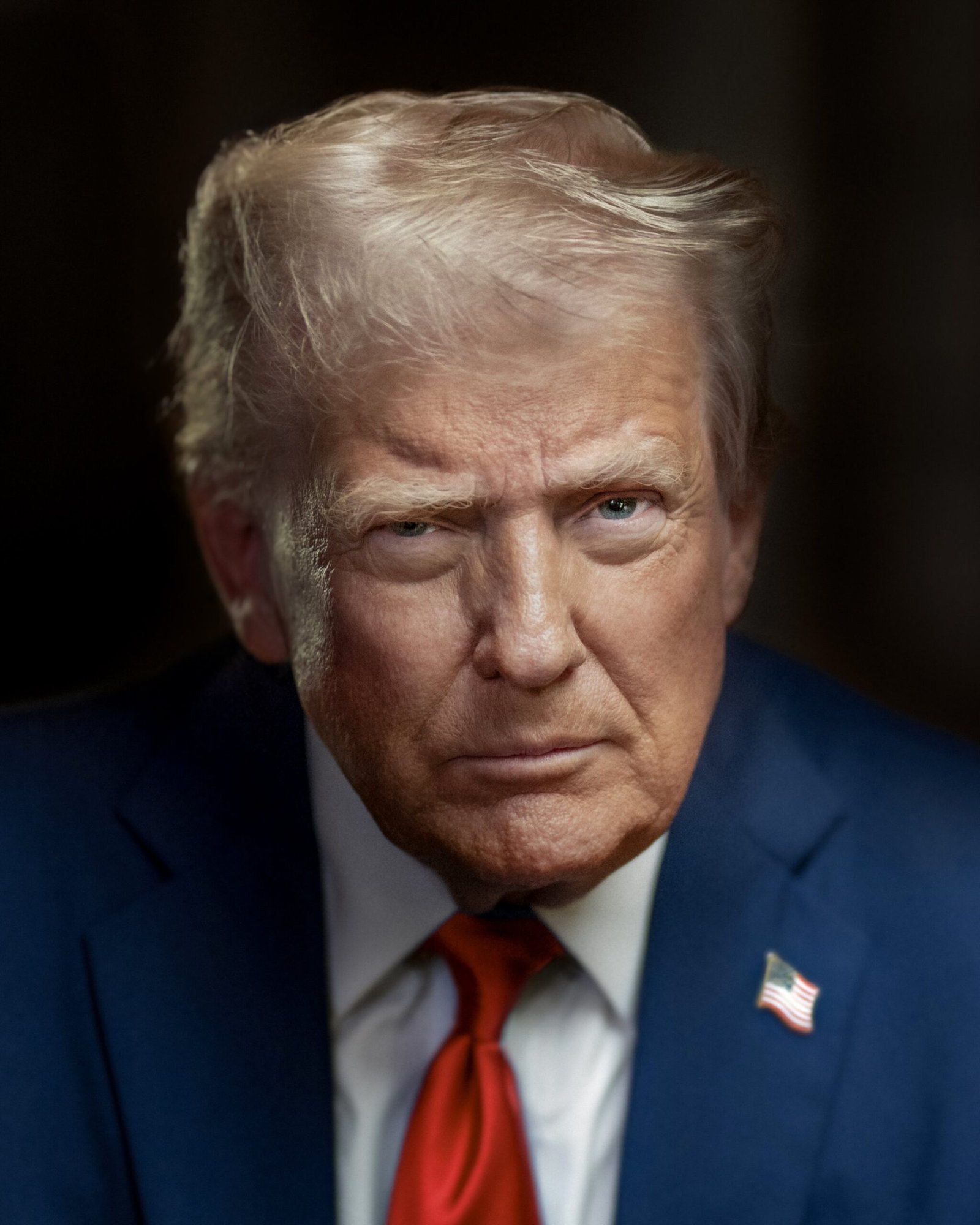
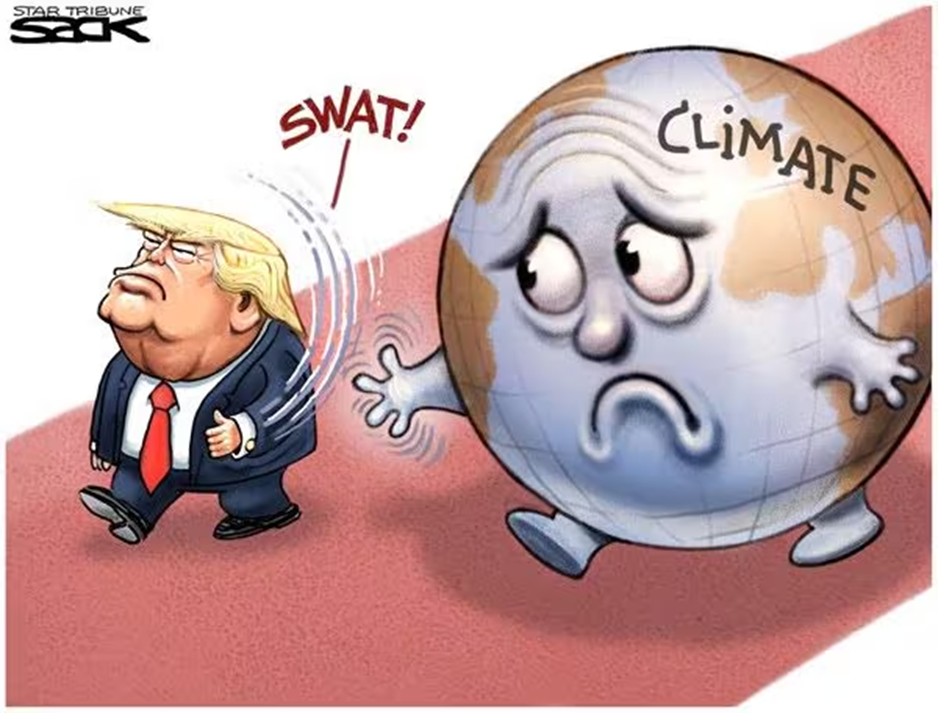
Donald Trump’s renewed withdrawal from the Paris Climate Agreement marks a dramatic climate flip-flop—undercutting his prior positioning and damaging his legacy. By pulling out again, scrapping climate finance initiatives, and dismantling renewable-energy policies, he has betrayed not only global trust but a legacy that once played to his nationalist base. This moment could reshape how history views his environmental record.
Trump’s Second Withdrawal from the Paris Agreement
Donald Trump first shocked the world in 2017 by exiting the United States from the Paris Climate Agreement, citing economic and sovereignty concerns. Now, in 2025, he has repeated history with Executive Order 14162, officially launching the U.S.’s withdrawal from Paris once again. (en.wikipedia.org)
This move isn’t just symbolic. It undermines global climate diplomacy, reverses past policy progress, and weakens his own international credibility. Critics argue it demonstrates a flip-flop that betrays both global partners and his own prior statements that acknowledged climate change as a pressing issue.
Key Actions Taken by Trump
Trump’s executive order did more than signal withdrawal:
● Notified the U.N. Secretary-General of the U.S. exit.
● Cut U.S. contributions to international climate funds such as the Green Climate Fund.
● Reversed Biden-era policies promoting wind, solar, and emission reductions.
● Framed the Paris Agreement as “one-sided” and detrimental to American businesses. (trumpwhitehouse.archives.gov)
This decision reflects Trump’s prioritization of economic short-termism over long-term climate commitments.
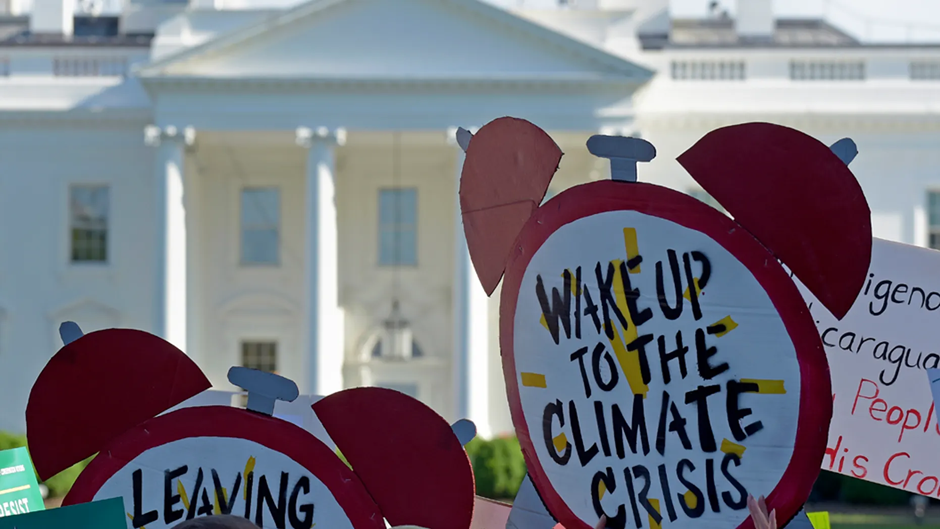
Why This Flip-Flop Undermines Trump’s Legacy
1. Returning to 2017, But With Higher Stakes
While his 2017 exit drew criticism, the global context was less dire. Today, climate change is more pronounced, renewable energy technology is mature, and the U.S.’s leadership role is more critical. Repeating the withdrawal now amplifies negative consequences. (theguardian.com)
2. Eroding Global Trust
Repeated policy reversals signal U.S. unreliability as a climate partner. This undermines international cooperation and diminishes the United States’ influence in global climate negotiations. (foreignaffairs.com)
3. Retreat from Climate Finance
Trump’s withdrawal affects funding mechanisms critical to vulnerable countries. Programs like the Green Climate Fund help developing nations transition to renewable energy. Cutting U.S. contributions leaves many nations at risk. (washingtonpost.com)
4. Favoring Economics Over Science
Trump emphasizes the economic costs of Paris compliance, but studies indicate that climate inaction poses far greater long-term economic risks. This approach prioritizes short-term industrial gains over global sustainability. (trumpwhitehouse.archives.gov)
5. Geopolitical Risks
By stepping back, Trump may inadvertently boost China and the EU’s clean energy leadership, allowing them to dominate markets and influence global climate policy. (thenationalnews.com)
Real-World Impacts of the Climate Flip-Flop
● Increased emissions as federal oversight and emissions reductions weaken.
● Harmed U.S. credibility in global climate discussions.
● Disrupted renewable energy markets and slowed innovation.
● State vs. federal tension as states like California push forward with climate goals independently.
● Global humanitarian consequences as developing nations lose access to climate finance.
Frequently Asked Questions (FAQs)
- Why did Trump pull the U.S. out of the Paris Agreement again?
He claimed the accord was unfair to U.S. industries, threatening jobs and competitiveness. (npr.org) - What is Executive Order 14162?
It formally initiates U.S. withdrawal from Paris, cuts climate funding, and reverses Biden-era climate policies. (en.wikipedia.org) - When does the withdrawal take effect?
It takes approximately one year after formal notice to the UN for withdrawal to be legally effective. (cbsnews.com) - How have other nations reacted?
Global leaders have criticized the move as damaging to collective climate goals. (theguardian.com) - Will U.S. states and businesses follow Trump?
Many states and private companies remain committed to Paris goals, forming independent coalitions to uphold climate objectives. (timesofindia.indiatimes.com) - What’s the impact on clean energy markets?
U.S. innovation may slow, while competitors in Europe and Asia gain an advantage. (thenationalnews.com) - Is this merely political theater?
No — it represents a real policy reversal affecting emissions, finance, and international cooperation. (npr.org) - Has Trump done this before?
Yes — he withdrew from Paris in 2017, only to have the U.S. rejoin under President Biden. (time.com) - How does this affect developing nations?
Reduced U.S. funding threatens climate adaptation, renewable energy programs, and disaster resilience in vulnerable countries. (thenationalnews.com) - Are there alternatives Trump supports?
He advocates for a renegotiated “America First” energy strategy focusing on fossil fuels and deregulation. (trumpwhitehouse.archives.gov)
Practical Takeaways
● For citizens: Engage in advocacy, support local climate initiatives, and hold elected officials accountable.
● For businesses: Monitor regulatory changes, and adapt clean energy strategies to remain competitive globally.
● For policymakers and activists: Emphasize the intersection of climate, economics, and national security.
● For global observers: Note shifts in diplomacy and opportunities for leadership from other nations.
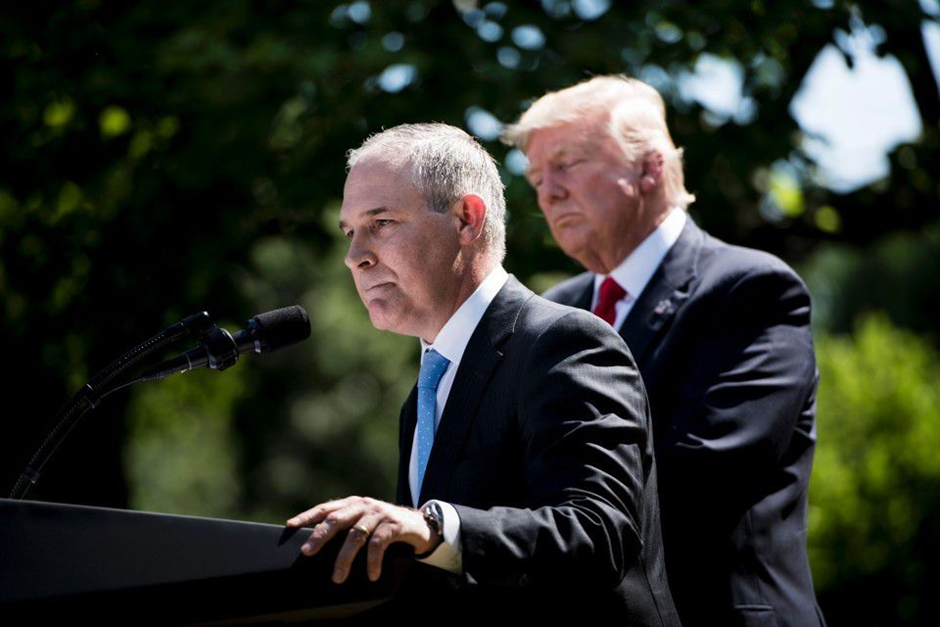
Why This Defines Trump’s Climate Legacy
This climate flip-flop is not a temporary policy adjustment—it redefines Trump’s environmental legacy. By prioritizing short-term economic interests over climate action, he risks leaving the U.S. less influential, less innovative, and more isolated in global climate policy. History will likely judge this moment as a turning point in both domestic and international environmental leadership.
–xxx–
Video Link-https://www.youtube.com/watch?v=sesD8KrQM3E