
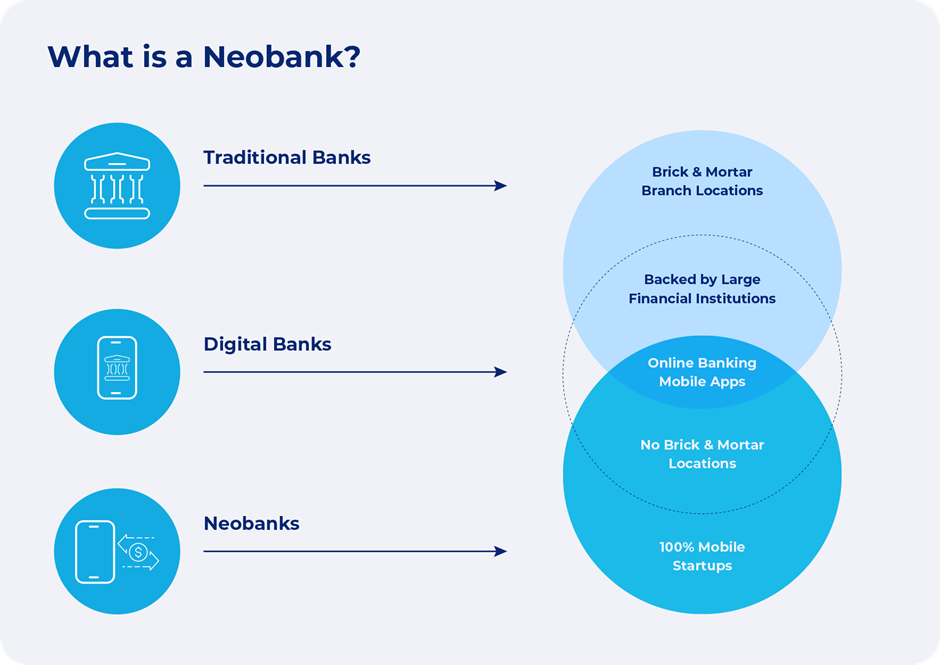
Neobanks—digital-only banks without physical branches—are quietly transforming how Americans manage money. Offering low fees, intuitive apps, and innovative features, they appeal to tech-savvy consumers and underserved markets. As adoption grows, neobanks are challenging traditional banking norms, reshaping financial habits, and influencing the future of money management in the United States.
What Are Neobanks?
Neobanks are online-first banks that provide full banking services—checking and savings accounts, debit cards, payment tools—entirely through mobile apps or web platforms. Unlike traditional banks, they focus on technology-driven experiences, AI-powered insights, and transparent pricing.
● Example: Chime has over 13 million U.S. customers, many first-time bank users (Chime, 2025).
● Example: Varo Bank offers features like early direct deposits and automated savings programs, helping customers better manage cash flow.
Neobanks aim to remove friction in banking, from account setup to daily transactions, creating a streamlined and accessible financial ecosystem.
Why Neobanks Are Gaining Popularity
1. Lower Fees and Higher Rates
● Many neobanks eliminate monthly fees, overdraft charges, and minimum balances.
● Some offer higher interest rates on savings accounts compared to traditional banks.
● Example: Chime allows customers to earn 2–3× more interest on savings than many legacy banks.
2. Mobile-First Convenience
● Accounts can be opened in minutes on a smartphone.
● Features like real-time alerts, spending categorization, and budgeting tools improve financial awareness and control.
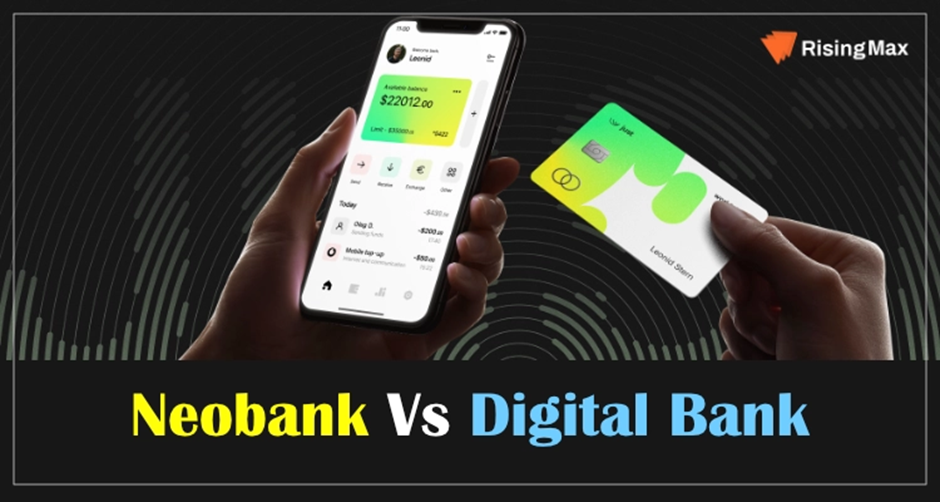
3. Accessibility for Underserved Communities
● Neobanks often welcome users with limited credit histories or prior banking difficulties.
● Gig workers, freelancers, and rural Americans benefit from digital-first services that reduce reliance on physical branches.
4. Innovative Tools
● Round-up savings programs automatically save spare change.
● AI-driven budgeting and personalized insights enhance financial literacy.
● Peer-to-peer payments, instant transfers, and cashless transactions increase convenience.
How Neobanks Are Changing Financial Behavior
- Improved Saving Habits: Automated savings tools enable consistent saving without manual effort.
- Increased Spending Awareness: Instant notifications allow users to monitor expenditures in real-time.
- Better Cash Flow Management: Early wage access provides financial flexibility for hourly and gig workers.
- Financial Inclusion: Neobanks make banking accessible to populations previously excluded from traditional banking.
Real-Life Case Study: Digital Banking Impact
Case: Alex, 28, Freelance Graphic Designer, Florida
● Alex struggled with late payments and overdraft fees at a traditional bank.
● After switching to Chime, Alex receives instant deposit notifications, uses automatic savings, and avoids overdraft fees.
● In six months, Alex saved $2,000 for emergencies and experienced significantly reduced financial stress.
Risks and Considerations
While neobanks offer significant benefits, users should consider the following:
● FDIC Insurance: Some neobanks operate under partner banks; verify deposits are FDIC-insured.
● Limited Services: Mortgages, complex loans, or business banking options may be limited.
● Technology Dependence: Reliable internet and smartphone access are required.
Comparing Neobanks to Traditional Banks
| Feature | Neobank | Traditional Bank |
| Fees | Low or none | Often higher |
| Branch Access | None | Physical branches available |
| Interest Rates | Often higher | Usually lower |
| Account Setup | 5–10 minutes | Days or weeks |
| Financial Tools | AI-driven apps | Limited online tools |
Conclusion: For daily banking, savings, and budgeting, neobanks often outperform traditional banks. For loans, mortgages, and personalized advice, legacy institutions may still hold an advantage.
How Neobanks Could Shape the Future
● Digital-First Adoption: Younger consumers increasingly prefer mobile banking.
● Fintech Integration: Neobanks may partner with investment apps, crypto wallets, and payment platforms.
● Enhanced Financial Literacy: AI-based insights could help reduce errors and promote better financial habits.
● Innovation Pressure on Traditional Banks: Legacy banks are adopting neobank-style features to retain customers.
FAQs About Neobanks
1. What is a neobank?
A neobank is a fully digital bank that operates without physical branches, offering checking, savings, and payments.
2. Are neobanks safe?
Most are FDIC-insured through partner banks. Always verify coverage before depositing.
3. Do neobanks charge fees?
Typically, neobanks have low or no fees, including no overdraft or monthly maintenance fees.
4. Can I deposit cash into a neobank?
Some neobanks offer cash deposits via partner retailers or ATM networks.
5. Are neobanks suitable for small businesses?
Some offer business accounts, but options are limited compared to traditional banks.
6. How do neobanks make money?
Through interchange fees on card transactions, premium account subscriptions, and optional services.
7. Can I get a loan from a neobank?
Personal loans may be available, but mortgages and larger loans usually require traditional banks.
8. Is my money insured?
Yes, if the neobank partners with an FDIC-insured bank. Confirm your account coverage.
9. How fast are money transfers with neobanks?
Many provide instant peer-to-peer transfers and same-day direct deposits.
10. Are neobanks only for tech-savvy users?
No—most apps are designed with simplicity in mind for everyday users.
Practical Tips for Choosing a Neobank
● Ensure FDIC insurance or equivalent protection.
● Compare fees, interest rates, and account features.
● Evaluate app functionality: budgeting, alerts, savings automation.
● Check cash deposit and ATM accessibility.
● Research customer service quality through reviews and ratings.
Conclusion:
Neobanks are quietly revolutionizing American banking, offering convenience, low fees, and digital-first tools. While not fully replacing traditional banks, they provide innovative options for daily banking, saving, and budgeting. As technology evolves, neobanks are poised to play an increasingly central role in the future of finance.
![Debt Ceiling 2025: Fiscal Responsibility or Political Strategy? [The Shocking Truth Behind America’s $36 Trillion Debate]](https://watchmapper.com/wp-content/uploads/2025/10/debt-ceiling-2025-fiscal-responsibility-or-political-strategy-the-shocking-truth-behind-americas-36-trillion-debate.png "Debt Ceiling 2025: Fiscal Responsibility or Political Strategy? [The Shocking Truth Behind America’s $36 Trillion Debate]")