

In today’s media landscape, many Americans trust friends, family, and neighbors more than news websites or traditional outlets. Around 73% of Americans say they rely on personal networks for local news. This shift is redefining how information spreads, shaping public opinion, and challenging traditional journalism models. Understanding this trend is crucial for both consumers and news organizations.
The Rise of Networked News: Why Personal Connections Trump Websites
Despite the explosion of digital media, social platforms, and 24-hour news cycles, Americans increasingly turn to those they know when consuming news. Whether it’s a neighbor relaying a local update, a friend forwarding a news link, or a discussion at the dinner table, word-of-mouth news has become a major source of information.
Why People Trust Their Personal Networks More
1. Declining Trust in Media
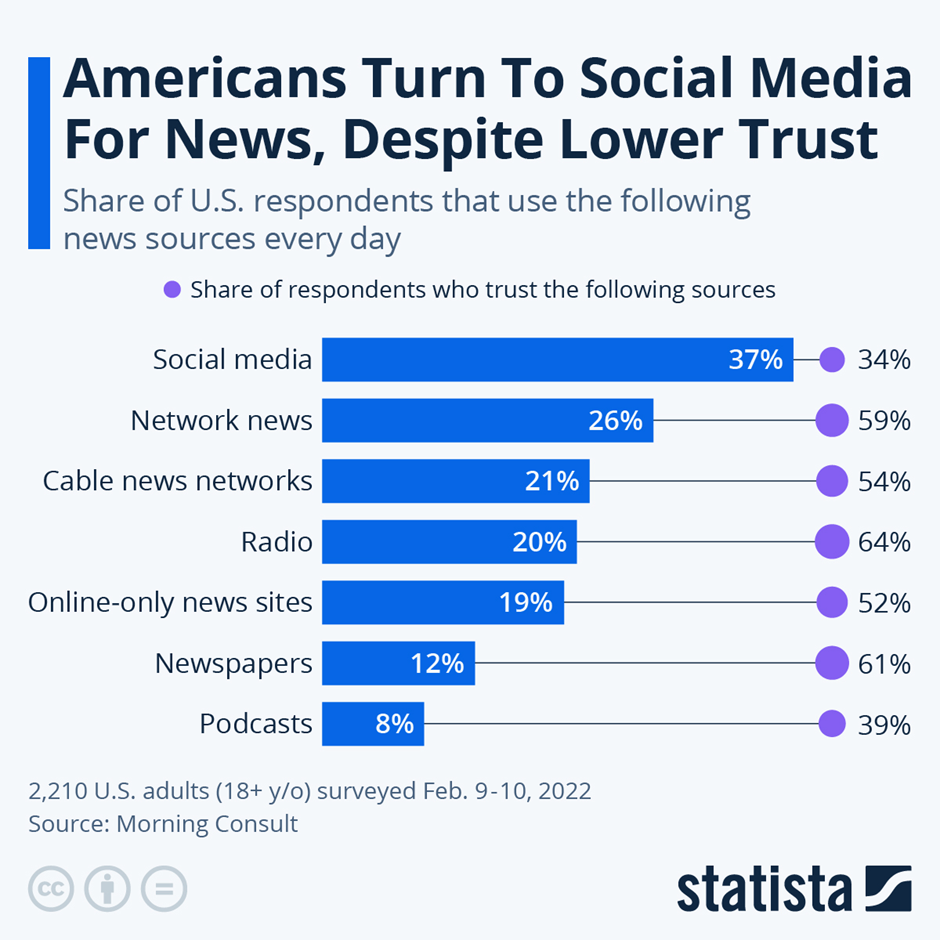
Trust in both national and local news has dropped in recent years. The Pew Research Center reports only 56% of U.S. adults express at least “some” trust in national news outlets, while local news trust stands at 70%, down from previous years. (pewresearch.org)
When news outlets are perceived as distant, biased, or politically aligned, people naturally rely on friends and family for guidance.
2. Friends, Family & Neighbors Are the Go-To Source
A 2024 Pew survey found that 73% of Americans regularly get local news from personal networks, surpassing TV, radio, and even Facebook groups. (pewresearch.org)
These exchanges often happen offline or through direct messaging, highlighting the enduring role of personal trust.
3. The Messenger Matters More Than the Source
Research by the AP-NORC Media Insight Project shows that who shares a story affects trust more than where it originated. A story shared by a trusted neighbor may be more credible than a report from a renowned news outlet. (apnorc.org)
4. A Global Phenomenon
Ipsos research indicates declining trust in traditional media isn’t limited to the U.S. People worldwide increasingly rely on personal relationships over institutional outlets for information. (ipsos.com)
Real-Life Examples: When Neighbors Become News Hubs
● Local Politics & Crime: In neighborhoods, residents often share updates about local crime, school board decisions, and community events faster than local news websites.
● Rumor & Misinformation: Casual news exchanges can spread inaccuracies if unchecked, such as exaggerated crime reports or political misinformation.
● Grassroots Activism: Parents, homeowners’ associations, and neighborhood councils act as mini-newsrooms, coordinating and disseminating crucial community information.
The Benefits and Risks of Networked News
● Empowerment: People feel more engaged when they actively share and verify news with trusted peers.
● Echo Chambers: Homogenous social circles can reinforce biases and limit exposure to diverse perspectives.
● Verification Gaps: Unlike traditional journalism, word-of-mouth news lacks editorial oversight, increasing the risk of misinformation.
● Pressure on News Outlets: With audiences bypassing traditional media, local journalism may struggle for resources, affecting investigative reporting and transparency.
How to Navigate Word-of-Mouth News Safely
● Ask About Sources: Encourage friends or neighbors to mention where they got the news, not just what they heard.
● Verify Facts: Cross-check stories with reliable outlets or official sources before sharing.
● Support Local Journalism: Subscribe, donate, or share content from local news organizations to maintain a professional news ecosystem.
● Promote Community Forums: Engage in local discussion groups that prioritize accurate information and civic participation.
● Encourage Media Literacy: Use personal networks to teach others how to fact-check and identify credible sources.
FAQs: What People Are Asking About This Trend
- Why do people trust friends more than news websites?
Personal connections create trust; a story from someone you know often feels more reliable than one from an impersonal outlet. - Is this backed by data?
Yes. Pew Research reports 73% of Americans rely on friends and family for local news, and AP-NORC research shows trust is shaped more by the messenger than the source. - Does this mean traditional media is dying?
Not dying, but its role is evolving. Many still consume professional news, but personal networks increasingly dominate local news dissemination. - Could this increase misinformation?
Yes. Without editorial oversight, inaccuracies can spread quickly, especially in ideologically homogenous circles. - Are younger people more influenced by peer-shared news?
Younger adults often use social media heavily, but older adults rely on personal networks for important news as well. - How does this affect trust in public institutions?
It can erode trust in media institutions but may strengthen trust within local communities through close networks. - Is this phenomenon only in the U.S.?
No. Global studies show that people worldwide increasingly trust personal relationships over traditional media sources. - How reliable is neighbor-shared news?
Reliability varies; while useful for local updates, it is prone to errors or selective reporting. - What can journalists do about this shift?
Journalists can engage more with communities, partner with civic groups, and make reporting accessible and relevant to local audiences. - How can news consumers improve their habits?
Ask about sources, verify information, support local journalism, and foster media literacy in their social networks.
Why This Matters
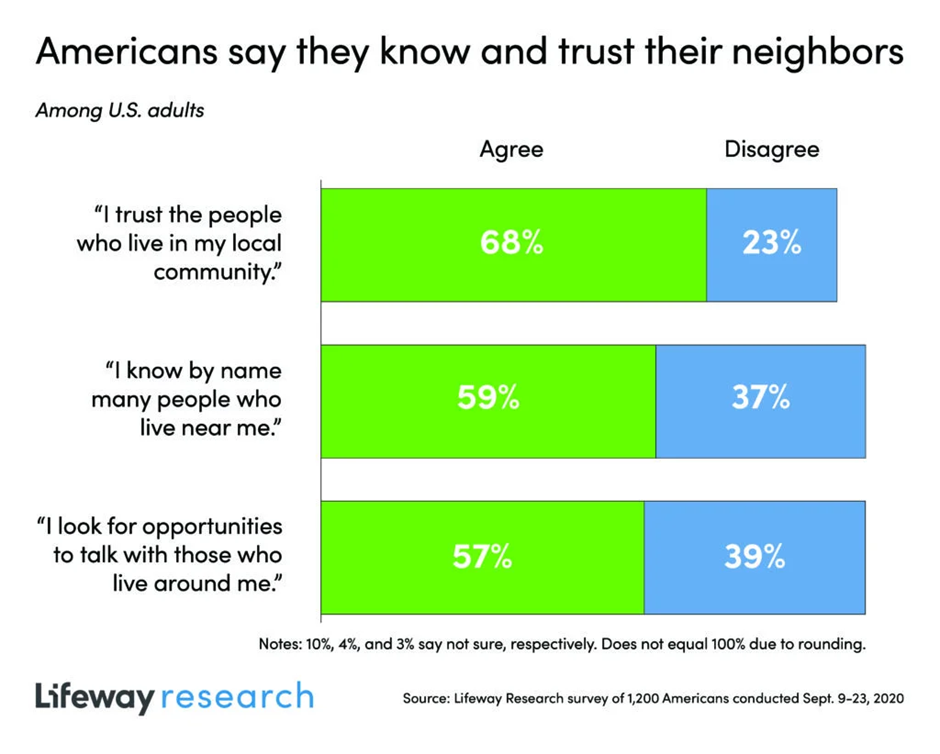
Trust in friends and neighbors for news reflects a deeper need for authenticity and connection in an age of information overload. When balanced with fact-checking and professional journalism, these networks can strengthen civic bonds and local engagement. Yet without safeguards, they risk amplifying bias, misinformation, and echo chambers.
Understanding the influence of your personal network is crucial — both for being an informed citizen and for supporting a resilient news ecosystem.